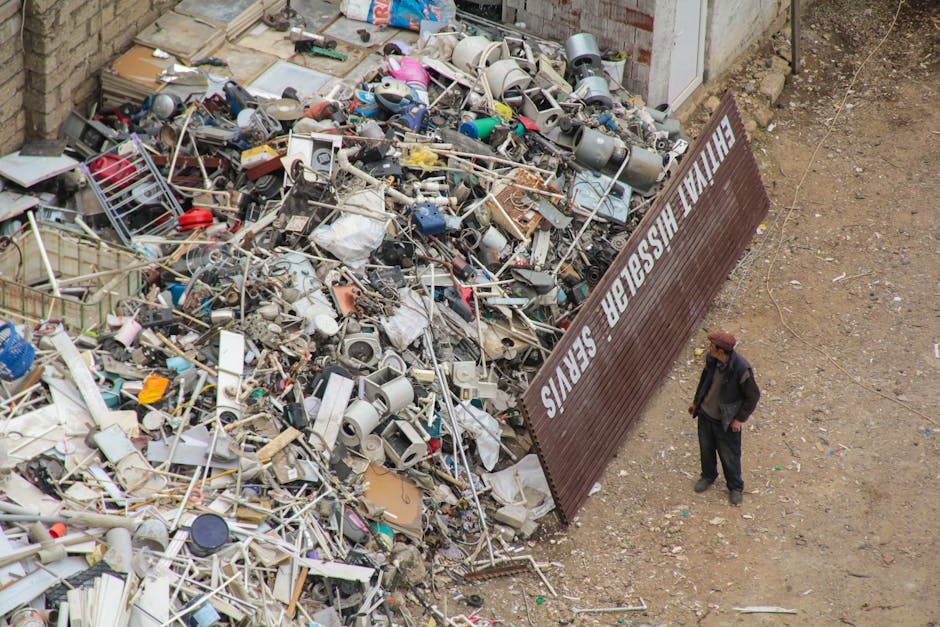
Disposal Laws in Lambeth: How Removals Handle Waste
If you are moving house, clearing an office, or getting rid of bulky items, disposal rules can feel like one more headache piled on top of an already busy day. The reality is simpler than it sounds: Disposal Laws in Lambeth: How Removals Handle Waste are mainly about making sure waste is sorted, carried, and dropped off responsibly, with the right paperwork and the right disposal route. That matters whether you are moving a flat in Brixton, clearing a shop unit near a busy high street, or finally dealing with that old sofa that has been taking up half the lounge for months.
In this guide, we will break down how removal teams usually handle waste in Lambeth, what the legal and practical expectations are, where mistakes happen, and what you should ask before booking anyone to take items away. No fluff. Just the stuff that saves time, stress, and awkward surprises on moving day.
Table of Contents
- Why Disposal Laws in Lambeth Matter
- How Disposal Laws in Lambeth Work
- Key Benefits and Practical Advantages
- Who This Is For and When It Makes Sense
- Step-by-Step Guidance
- Expert Tips for Better Results
- Common Mistakes to Avoid
- Tools, Resources and Recommendations
- Law, Compliance, Standards, or Best Practice
- Options, Methods, or Comparison Table
- Case Study or Real-World Example
- Practical Checklist
- Conclusion
- Frequently Asked Questions
Why Disposal Laws in Lambeth Matter
Waste disposal is not just a back-of-house detail. It affects safety, neighbours, building managers, street cleanliness, environmental impact, and in some cases your own legal exposure. That may sound dramatic, but one missed rule can turn a normal clearance into a messy situation very quickly. Think about a van parked half on a pavement, boxes left by a shared entrance, or a mattress dumped without checking where it should go. It is the sort of thing people notice immediately.
In Lambeth, as in the rest of London, disposal expectations are shaped by local collection rules, duty of care principles, and the wider UK approach to controlled waste. For removals, that means waste cannot just be treated as "stuff to take away." It needs to be assessed, separated where possible, loaded safely, and directed to an appropriate facility or reuse route. If it cannot be reused, it must be handled as waste in a lawful way. Simple idea. Not always simple in practice.
For customers, the benefit is peace of mind. You want your move completed cleanly, without wondering whether broken furniture, packaging, or old appliances ended up in the wrong place. And if you are comparing providers, how they handle waste tells you a lot about how seriously they take the job overall. To be fair, that often shows before the first box is even lifted.
How Disposal Laws in Lambeth: How Removals Handle Waste Works
The best way to understand waste handling is to picture the process in stages. A removal team typically starts by identifying what is being moved, what is being discarded, and what may need a separate disposal route. That sounds obvious, but the difference between "move this" and "dispose of this" can get blurry when you are under pressure. One room fills with mixed items, and suddenly every plastic bag looks similar.
Removals generally handle waste through a combination of reuse, recycling, and licensed disposal. Good operators do not treat every item the same. A dining table, for example, may be suitable for a furniture collection or reuse route, while damaged packaging may go into recycling, and a broken appliance may need specialist treatment. The point is to reduce unnecessary landfill and keep the disposal chain tidy and accountable.
For household moves, this often involves leftover clutter from a loft, garage, or spare room. For business moves, it may include obsolete desks, filing cabinets, office chairs, or packaging from a relocation. If you are arranging a wider clear-out, services such as furniture pick up can be useful when the main task is removing bulky items rather than shifting the whole property.
There is also a practical side: removals need to load waste safely. Heavy items must be lifted properly, sharps or hazardous materials must be flagged, and mixed loads should be organised so nothing spills or breaks in transit. Good crews are a bit fussy about this, and that is a good thing. The van may look like chaos from the outside; inside, it should be controlled, secure, and traceable.
In some situations, especially for larger moves or multiple bulky items, a more flexible transport option helps. Many people use a man and van style service or arrange a dedicated removal truck hire when the load size needs proper capacity. The method matters because the wrong vehicle can lead to overloading, multiple trips, or items being stored unsafely on the road. None of that is ideal when Lambeth traffic is already doing its thing.
Key Benefits and Practical Advantages
Getting waste handling right is not only about avoiding penalties. It makes the entire move smoother. A compliant removal process tends to be faster, less stressful, and easier to coordinate with landlords, building managers, and neighbours. That is especially true in tight London streets where access is limited and everyone seems to need the pavement at the exact same time.
- Cleaner move-out process: Waste is removed alongside the move rather than left behind in awkward piles.
- Lower risk of disputes: Clear disposal arrangements reduce disagreements over what should be taken and what should stay.
- Better environmental outcomes: Reuse and recycling are prioritised where suitable.
- Less admin for you: A capable team can help separate loads and explain what happens next.
- Safer handling: Proper loading and sorting reduces injury risk and damage to property.
There is another benefit people sometimes overlook: speed. A team that knows how to manage waste properly usually works more efficiently because they are not improvising on the fly. They have a system. They know which items need extra care, which ones can be broken down, and which ones can be removed in one go. That saves everyone time, including you.
For business customers, the advantage is even clearer. A commercial move can create a lot of unwanted material quickly: packaging, old IT equipment, office chairs, shelves, and odd bits that never seem to have a home. If the relocation is bigger, services such as commercial moves and office relocation services can help keep waste handling built into the move rather than treated as an afterthought.
Who This Is For and When It Makes Sense
This topic matters to more people than you might think. If you are moving home, clearing rented accommodation, downsizing, refurbishing, or shifting office stock, waste handling is part of the job. It is not just for people getting rid of "rubbish." It is for anyone who wants the move to end with the property tidy and the disposal trail handled properly.
Typical situations include:
- End-of-tenancy clear-outs where left-behind items must be removed quickly.
- House moves where you decide not to take old furniture, broken appliances, or excess boxes.
- Office relocations where surplus chairs, cabinets, and archive material need sorting.
- Furniture replacement projects where the old item must go before the new one arrives.
- Property refreshes, renovations, or decluttering projects that generate mixed waste.
Household customers often want a service that is broad enough to cover packing, moving, and disposal in one coordinated plan. If that sounds like you, home moves and house removalists can be relevant starting points, especially when you want the practical side handled without having to organise every separate element yourself.
It also makes sense when you do not have the time, vehicle access, or physical capacity to manage waste separately. Let's face it, not everyone wants to load a wardrobe down three flights of stairs while keeping an eye on parking restrictions. And nor should they.
Step-by-Step Guidance
If you want to handle disposal properly in Lambeth, the process should be orderly. Here is the straightforward version.
- Identify what is being removed. Make a clear list of items to keep, move, reuse, recycle, or dispose of.
- Separate waste from belongings early. Do not leave this until the day of the move, because mixed loads are where mistakes happen.
- Flag awkward items. Broken glass, old paint tins, chemicals, fridges, and electronics may need special handling.
- Check access and parking. In London, loading space can be a real variable, so plan for it rather than hoping for the best.
- Choose the right transport. A van, moving truck, or dedicated removal vehicle should match the load and disposal plan.
- Ask how items will be processed. Reuse, recycling, and disposal are not the same thing. A good provider should be able to explain the difference simply.
- Keep records if needed. For business waste or larger clearances, keep any job notes, receipts, or collection details in case you need them later.
A quick example helps here. Suppose you are moving from a flat near the station and replacing a sofa, coffee table, and some old boxes. If you tell the removals team in advance, they can decide whether the old sofa is suitable for collection, whether the boxes are recyclable, and how to sequence the loading. That tiny bit of planning can remove a lot of friction on the day.
If your move includes fragile packing or a lot of sorted items, professional help with packing and unpacking services can also reduce waste confusion, because proper packing makes it easier to separate reusable materials from actual rubbish. The order of operations matters more than people expect.
Expert Tips for Better Results
There are a few habits that make waste handling much easier. None of them are clever, really. They are just the sort of things experienced movers do without making a fuss about it.
- Label disposal piles clearly. One box marked "keep" and another marked "dispose" can prevent a surprising number of mistakes.
- Break down bulky cardboard early. It saves space and keeps the load tidy.
- Keep hazardous items separate. Do not tuck them into a general pile and hope someone else notices.
- Photograph large items before collection. Handy for your own records, and useful if there is any disagreement over condition.
- Check whether reuse is possible. A decent item should not be thrown away automatically if it can serve another purpose.
Another tip: be honest about what you need moved versus removed. People sometimes underdescribe the waste load because they do not want to sound wasteful. But the van does not care about your feelings; it cares about volume, weight, and access. Be precise, and the whole job gets easier.
If your move is time-sensitive, ask how the provider handles same-day sorting. That matters when keys are delayed, contractors run over, or the old place still has half a loft's worth of odds and ends to clear. It happens more often than anyone admits.
Common Mistakes to Avoid
The most common error is treating all waste as one category. In reality, different items need different routes. Mixing everything together can create extra costs, slow the job down, or lead to items being handled incorrectly. It also makes it harder to show that the waste was managed responsibly.
Other mistakes crop up during the planning stage:
- Leaving disposal decisions until moving day. This is where stress spikes and shortcuts happen.
- Assuming removals will take anything without question. Some items require advance discussion.
- Forgetting about access rules. A load cannot be removed efficiently if the vehicle cannot stop safely.
- Overstuffing bags or boxes. This leads to tears, spills, and awkward lifting.
- Ignoring office-specific waste. Business materials, electronics, and records often need more care than domestic clutter.
One more thing people miss: the cheapest option is not always the best if it leaves you doing the sorting later. You may save a little upfront and lose far more time, energy, and patience. Truth be told, that is usually the expensive option in disguise.
Tools, Resources and Recommendations
You do not need a complicated toolkit to get disposal right. What you need is a simple system, some labels, a few bags or boxes, and a plan for bulky items. For many people, that is enough. A notebook or notes app can also help you track what is leaving, what is staying, and what should be recycled.
Useful practical supports often include:
- Heavy-duty boxes for sorted items.
- Marker pens and clear labels.
- Dust sheets or wrapping for items that may be reused.
- Spare bags for general rubbish and loose packaging.
- A contact point for arranging last-minute vehicle or labour changes.
For larger or more awkward jobs, a flexible vehicle can help. Services such as man with van, moving truck, and removal truck hire are worth considering when the amount of waste or the combined moving load is beyond a small car boot job. The right vehicle is not just about capacity. It is about reducing damage, reducing trips, and keeping everything properly secured.
If you are still unsure what level of service you need, it can help to speak directly with the team. A short call often resolves more than ten back-and-forth messages. You can also learn more about the company on the about us page or get practical help via the contact us page if you need to discuss a specific move.
Law, Compliance, Standards, or Best Practice
Waste rules are one of those subjects where the broad principle is easy, but the details matter. In the UK, businesses and anyone handling waste professionally are expected to follow accepted duty of care practices, which broadly means keeping waste secure, handing it over responsibly, and using suitable disposal routes. Exact requirements can vary depending on the material, the setting, and whether the waste is household or commercial.
For removals in Lambeth, best practice usually includes the following:
- Sorting waste into usable, recyclable, and disposable categories where possible.
- Avoiding unsafe or unlawful dumping, even for small loads.
- Handling bulky waste in a way that prevents damage to communal areas.
- Using appropriate vehicles and loading methods.
- Being cautious with anything potentially hazardous or regulated.
That last point matters. Not everything can simply be mixed into a general clearance. Old electrical items, chemicals, contaminated materials, and certain office contents can all require extra care. If a provider seems vague about this, that is worth noticing. A good operator should be clear about what they can take, what needs separate handling, and what may require a specialist route.
It is also sensible to check the provider's own service terms. Policies on accepted items, liability, packing responsibilities, cancellations, and access issues are usually set out there, and reading them can save misunderstandings later. The terms and conditions page is the kind of thing people often skip until they need it. Classic move, honestly.
For households and businesses alike, the safest approach is to ask questions early and keep the arrangement clear. That way, the move stays practical and the disposal trail stays clean. Not flashy. Just proper.
Options, Methods, or Comparison Table
There is more than one way to deal with waste during a move. The best option depends on how much you have, how quickly it needs to go, and whether you want someone to manage the sorting as well as the transport.
| Method | Best for | Strengths | Limitations |
|---|---|---|---|
| Self-disposal | Very small amounts of general waste | Simple if you already have the time and transport | Can be slow, physically demanding, and awkward with bulky items |
| Man and van clearance | Mixed household items, quick clear-outs | Flexible, practical, often easier for one-off jobs | Needs clear instructions so the load is sorted correctly |
| Full removal truck | Larger home or office moves with disposal included | Good capacity, more efficient for bigger loads | May be more than you need for a small clearance |
| Furniture collection or pick-up | Bulky single items or a few large pieces | Efficient for sofas, tables, beds, and similar items | Not ideal for broad mixed waste |
If you are moving a full home, the waste picture is usually tied to packing and transport. In that case, a plan built around home moves may be the most sensible route. If the job is commercial and includes clearance, commercial moves can offer a better fit because the disposal side tends to be more structured.
So which method is right? Ask yourself one simple question: do you mainly need transport, or do you need transport plus sorting plus disposal? That answer usually tells you more than a long brochure ever will.
Case Study or Real-World Example
Here is a realistic example. A tenant in a Lambeth flat is moving out on a Friday afternoon. There is a wardrobe they do not want to keep, a broken bedside table, several bags of mixed clutter, and a stack of flattened boxes from deliveries over the past year. Nothing dramatic. Just a normal end-of-tenancy mess, the kind that somehow grows in the background.
Instead of trying to sort everything on the kerb at the last minute, they separate the items the day before. Reusable pieces are set aside. The damaged table and unwanted wardrobe are flagged for removal. Cardboard is kept together. The removal team arrives, checks access, loads the furniture safely, and handles the waste separately from the items going to the new address. The flat is left clear, the move is less frantic, and the customer avoids that horrible final-hour scramble where you are carrying bins and boxes at the same time.
What made the difference? Planning and clarity. Not magic. Not luck. Just a proper process and a team that knew the waste side mattered as much as the furniture move.
That same approach works for small offices too. When an office is relocating, old filing units, desk dividers, and packaging can clutter the exit route fast. A well-briefed crew can protect the corridor, keep the moving path open, and avoid the common mistake of leaving disposal to "later," which, as everyone knows, usually means never.
Practical Checklist
Use this before booking or on the day of collection.
- Have you listed every item that needs to be moved, reused, or disposed of?
- Have you separated general rubbish from furniture and appliances?
- Do you know whether any items need special handling?
- Have you checked access, parking, and loading space?
- Have you told the removals team about bulky or awkward items?
- Have you confirmed whether packing help is needed?
- Are you clear on what will happen to reusable items?
- Have you reviewed the provider's terms before the move?
- Do you have a contact number in case plans change on the day?
- Have you kept any important paperwork or inventory notes?
Expert summary: if waste handling is built into the move from the start, everything gets easier. You spend less time sorting, the removals team works more cleanly, and the finished property looks the way it should. Quietly sorted. No drama. That is the goal, really.
Get a free quote today and see how much you can save.
Conclusion
Disposal rules may not be the most exciting part of a move, but they can have the biggest practical impact. When removals handle waste properly, the whole process feels calmer, safer, and more professional. In Lambeth, where access, timing, and neighbour consideration all matter, that approach is not just nice to have. It is the sensible way to do things.
Whether you are clearing a house, relocating an office, or simply getting rid of a few bulky items, the best results come from clear planning and honest communication. Know what is being removed. Know what needs special attention. Choose a team that treats waste as part of the moving job, not a leftover problem for later. Small details, yes - but they make a big difference.
And once it is all done, with the floors clear and the last box gone, there is a real relief in that empty-space feeling. A bit dusty, maybe. A bit tired. But sorted.
Frequently Asked Questions
What are Disposal Laws in Lambeth: How Removals Handle Waste in plain English?
It means removals must deal with unwanted items responsibly, using suitable collection, sorting, reuse, recycling, or disposal routes rather than treating everything as general rubbish.
Can a removal team take old furniture away during a move?
Usually, yes, if the provider offers furniture collection or bulky item removal. It is best to confirm in advance so the team knows what is staying, what is going, and what may need a separate route.
Do I need to sort my waste before the removals arrive?
It helps a lot. Even a basic separation between keep, move, reuse, recycle, and dispose makes the job smoother and reduces mistakes on the day.
What happens to items that can still be used?
Where suitable, they may be set aside for reuse rather than disposal. Not every item should be thrown away automatically, especially if it is still in decent condition.
How do removals deal with broken appliances or electronics?
These often need more care than regular household waste. A good provider will identify them early and explain whether they can be taken as part of the job or need separate handling.
Is waste disposal different for home moves and office moves?
Yes. Office waste can include more packaging, furniture, records, and electrical equipment, so the handling needs are usually more structured than a standard home clearance.
What should I ask before booking a removal service?
Ask what items they can take, how they separate waste, whether reusable items are handled differently, what vehicle will be used, and whether there are any restrictions in the terms and conditions.
Can I just leave unwanted items outside the property?
It is not a good idea unless there is a clear, approved arrangement. Leaving items outside can create access issues, complaints, or improper disposal problems.
How much does waste handling add to a move?
It depends on the volume, type of items, and whether specialist handling is needed. The safest approach is to ask for a clear quote based on the actual load rather than guessing.
What is the biggest mistake people make with disposal during removals?
Leaving it too late. Once moving day arrives, there is usually too much going on, and poor sorting can lead to delays, extra effort, or incorrect disposal.
Why does local knowledge matter in Lambeth?
Because parking, access, and street layout can make a big difference to how waste is loaded and removed. Local experience often helps the team plan better and avoid avoidable delays.
Where can I get help if I am not sure what kind of service I need?
You can start by reviewing the relevant service pages, such as home moves, office relocation services, or contact us for a direct conversation about your situation.