Storage in Lambeth for homes, flats and businesses

We provide storage in Lambeth for customers who need a practical way to keep belongings safe while moving, clearing space, or reorganising a property. The service is built around straightforward collection, careful handling and access to a suitable storage option, with the emphasis on keeping furniture, boxes and mixed household items in good condition. If you are comparing storage as part of a move or a longer arrangement, the main aim is to give you a simple route from pickup to placement without unnecessary disruption.
Our work suits many everyday situations, from holding surplus items during a home move to keeping office contents out of the way during refurbishment or relocation. We can also support people who want to store selected pieces rather than everything in a property, which is often useful when only a few rooms need clearing. Good storage should feel orderly, so we keep the process clear and focused on what needs to be moved, what needs to be protected, and what needs to be accessed later.
To begin, tell us what needs storing and how long you expect to keep it away, then we can advise on a sensible approach and prepare a quotation. If you already know which items are staying in use, separate them before collection so the loading and storage plan is easier to organise. When you are ready, request a quote and we will help you work out the next step.
Domestic storage for furniture, boxes and seasonal items

Domestic storage is often useful when a room is being redecorated, a property is being sold, or there is simply too much in one place at once. We handle furniture, clothing, books, ornaments and boxed items with care, keeping the service focused on the practical side of moving goods out of the way and into a secure setting. This is especially helpful when the household needs time to decide what stays, what goes, and what can be returned later without damage or confusion.
For many customers, the main decision is how much needs to be stored and whether the contents can be grouped by room or by use. That makes it easier to keep track of what is being removed, and it also helps when items need to come back in a planned order. If you are storing mixed household contents, labelled boxes and simple item lists make a real difference, because they reduce sorting later and help keep the process tidy from start to finish.
Useful domestic storage arrangements often involve a blend of removal and hold-over, especially when furniture, small appliances and boxed possessions need to be kept together. If you are preparing a home move, the same arrangement can support an easier handover by taking bulky items out of the way before the final cleaning or keys exchange. For more detail about moving whole households, see our home moving service when planning the wider job around storage.
Business storage and office contents handled with care
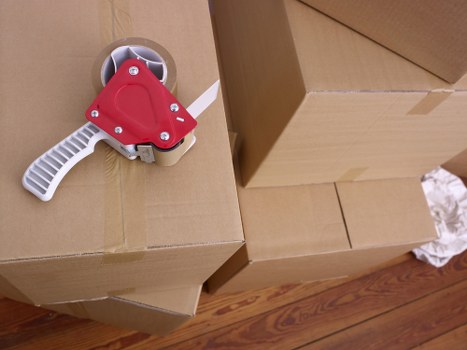
Business storage is suited to desks, chairs, filing items, archive boxes, display materials and other workplace contents that need to be kept off-site for a period of time. It can be used during refurbishment, while teams are changing premises, or when an office simply needs extra breathing room. Our approach is centred on careful handling and sensible organisation, because commercial storage works best when items can be tracked and returned without guesswork.
Where office contents are involved, it helps to group furniture separately from paperwork, and to identify anything that needs special attention. Some businesses store items in stages, beginning with surplus equipment and later adding archived material or furniture from shared spaces. If you are arranging a larger workplace change, our office relocation services page explains related moving support that can sit alongside storage when a business needs both.
Commercial customers often want storage to support day-to-day continuity, so the service should be easy to plan around access, sequence and item priority. That might mean storing reception furniture first, then back-office contents, or keeping selected stock and presentation items separate from general equipment. Clear grouping helps reduce handling time and keeps the return journey more manageable when the contents are needed again.
How the storage process is arranged
The storage process usually starts with a simple discussion of what needs moving, how fragile the items are, and whether the collection is from a house, flat, office or mixed premises. From there, the main task is to shape the work so the contents can be loaded safely and stored in a way that suits their size and condition. This is particularly important with awkward pieces, mixed box loads and items that should not be stacked in a careless order.
There are a few straightforward ways to make the arrangement easier.
- Group items by room or purpose where possible.
- Set aside anything you may need at short notice.
- Keep keys, access details and timing instructions together.
- Use strong boxes for loose goods and protect fragile surfaces.
Before collection, it is sensible to decide whether any items should remain accessible, whether there are pieces that need dismantling, and whether the load includes anything unusually heavy or delicate. That does not require a large amount of preparation, but it does help to have a clear view of the contents. If you are also looking at general removals support, our man and van service can be a useful option for smaller or mixed jobs that sit alongside storage.
Furniture, bulky items and careful handling

Furniture storage often involves larger items such as beds, wardrobes, sofas, tables and shelving, along with the smaller pieces that belong with them. These items need sensible handling because edges, finishes and fittings can be affected if they are dragged or packed too tightly. We therefore treat bulky contents as part of a planned loading and storage task rather than as loose items to be moved quickly and forgotten about.
When furniture is being stored, it can help to dismantle selected pieces where that makes handling safer or more efficient. Shelving, bed frames and flat-pack units are often easier to store when separated into manageable parts, provided the fixings are kept with the right item. Where a customer is clearing a property, this approach can also make it simpler to create usable space without rushing the decision about what stays and what returns later.
If you have a mixed load that includes furniture and other household items, the way each piece is wrapped or grouped matters as much as the transport itself. Soft furnishings may need cleaner protection, while harder items may simply need careful placement and stable stacking. For more general moving support that can sit around these kinds of jobs, our house removalists page covers domestic relocation work that often connects with storage arrangements.
About Lambeth
Lambeth is a district in south London on the south bank of the River Thames, with a long identity shaped by river frontage, government institutions and dense inner-city neighbourhoods. The name is closely associated with Lambeth Palace, the London residence of the Archbishop of Canterbury, which stands near the river and has helped anchor the area’s historical significance for centuries. Nearby, the south bank route along the Thames links Lambeth with Westminster, Vauxhall and Waterloo, while the district itself includes a mix of residential streets, major roads and cultural destinations. The area contains several well-known landmarks, among them the Imperial War Museum, the Southbank Centre across the river, the London Eye visible from parts of the frontage, and local green spaces such as Archbishop’s Park and Kennington Park close by. Railway and Underground connections, including stations serving Lambeth North, Waterloo and the wider borough, have made the district an important transport corridor for commuting and cross-river movement. At the same time, the borough includes neighbourhoods with different characters, from older terraces and council estates to newer riverside developments and busy town-centre streets. Lambeth also has a strong civic and cultural profile through institutions, markets, performance venues and community sites spread across its many wards and districts. This combination of historic buildings, working transport links and everyday residential life gives the place a layered urban character rather than a single uniform identity.
Storage for flats, shared homes and tighter access

Flat moves and shared homes often create practical storage needs because access can be narrow, stairways may be awkward and there may be limited room to keep everything in place during a move. In those situations, storage can relieve pressure by moving selected items out early, leaving the rest of the property easier to use. That can be especially helpful when several people share furniture, equipment or boxed belongings and need a bit more structure around who is keeping what.
Where access is tight, the most useful approach is to sort items before collection so the loading order reflects weight, fragility and how quickly each piece may be needed again. Smaller loads are often easier to organise when they are broken into sensible groups, such as clothing, kitchen contents, books or folded soft furnishings. If you need to combine storage with a smaller removal job, our furniture pick-up page may suit single items or compact loads that do not require a full move.
Storage for flats also works well when the contents are being held between tenancies or during refurbishment, because it reduces clutter without forcing a rushed decision about every item in the home. For customers who want a more straightforward service for light moves and item transport, our man with van option provides another practical route, while larger vehicle options are available on our moving truck page for bulkier loads.
Pricing factors and quotation details
The cost of storage support depends on the amount of content, the type of items being handled, the ease of access and any extra moving work needed before the goods go into storage. Furniture, office equipment, boxed goods and fragile items can all require slightly different handling, which is why a clear description is useful when a quotation is being prepared. A simple outline of volume and item type usually helps more than a long explanation with missing details.
Quotation planning is also easier when you know whether the job includes collection only, collection and delivery to storage, or storage as part of a wider move. If the load contains dismantled furniture, archive boxes or awkward items from more than one room, that should be mentioned at the outset so the arrangement is matched to the work. Clear information leads to a more suitable plan, especially where timing or access needs to be coordinated around other parts of the move.
For customers comparing related services, it can help to review the surrounding options before confirming the final arrangement. Our packing and unpacking services page covers preparation support that often sits alongside storage, while the commercial moves page is useful where business contents need to be shifted as part of a larger relocation. If you are ready to get started, request a quotation and we will help shape the right storage plan.
Storage arrangements for longer hold periods
Some customers need storage for only a short time, while others want a longer hold period because a move date, refurbishment programme or property sale is still being finalised. In longer arrangements, the key concern is usually keeping the contents organised so they can be found and returned in sensible order. That is why grouping by room, purpose or item type can be so helpful when the collection is first prepared.
Longer storage may also benefit from a little more thought about what is genuinely needed during the hold period. Items used rarely, such as spare furniture, seasonal decorations or archive material, are good candidates for storage because they are less likely to be missed from everyday life. Meanwhile, things needed regularly should be left accessible or kept out of the stored load altogether. This balance keeps the arrangement practical rather than overcomplicated.
If your project involves a move where a vehicle and storage both play a part, our removal truck hire page covers the transport side of larger loads. For customers who simply need a direct conversation about their arrangement, our contact us page is the place to send the details, and we can then help turn them into a clear quotation.
Choosing the right storage support
The best storage setup is usually the one that matches the shape of the job rather than forcing the job into a one-size-fits-all pattern. A single room clearance, a partial house move and an office relocation all bring different handling needs, so the service should reflect the contents, access and timing involved. That is why we focus on making the process clear from the outset and on shaping the work around the items themselves.
If you are unsure how much support you need, it can help to think through three questions: what is being stored, how soon it may be needed again, and whether there are pieces that must be kept together. Those answers often determine whether a compact storage move, a fuller removal and hold arrangement, or a broader relocation service makes most sense. Practical planning now saves re-handling later, especially where furniture and boxed contents are involved.
For straightforward next steps, a short message with the item list and general timing is usually enough to start the quotation process. You can then decide whether you want storage linked with moving help, packing support or a separate pick-up arrangement. When you are ready, request a quotation and we will take it from there.