Do I Need a Permit for Moving in Lambeth? Council Rules
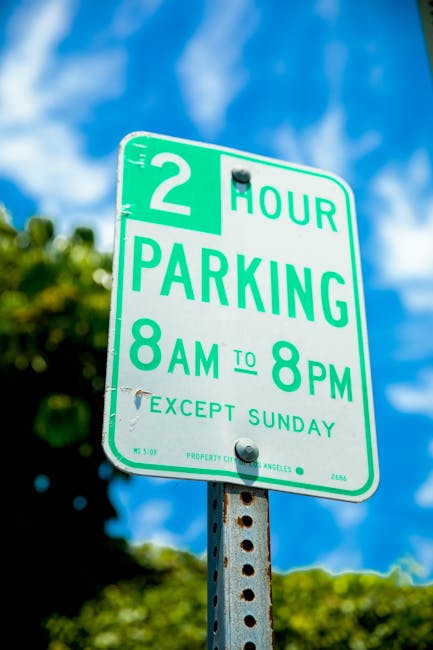
If you are planning a move and wondering do I need a permit for moving in Lambeth?, you are not alone. It is one of those questions people tend to ask late in the process, usually when boxes are already taped shut and a van is booked. The short answer is: sometimes yes, sometimes no. It depends on where the vehicle will stop, how long it will stay there, and whether any parking restrictions, loading limits, or suspension rules apply on the day.
This guide breaks down Lambeth council rules in plain English, so you can work out whether a permit is needed, what to check before moving day, and how to avoid a frustrating fine or a last-minute scramble. It also covers common mistakes, practical examples, and the little details that matter when you are trying to get a move done without chaos.
Why Do I Need a Permit for Moving in Lambeth? Council Rules Matters
Moving in London is rarely just about lifting furniture. It is also about the street outside, and in Lambeth that can make a big difference. If your van, lorry, or removal truck needs to stop on a road with parking controls, yellow lines, resident bays, loading restrictions, or time-limited stopping rules, the council may expect some form of permission or parking arrangement.
Why does this matter? Because a smooth move is usually decided by the space directly outside your front door. I have seen moves where the inside of the house was perfectly organised, yet the vehicle had to park half a street away. That turns a tidy two-hour job into a slow, sweaty, noisy trek with sofas. Not ideal. To be fair, nobody wants the morning to start with a parking ticket either.
The council rules matter for three main reasons:
- Access: your movers need enough room to park safely and load efficiently.
- Compliance: stopping in the wrong place can lead to penalties or enforcement action.
- Timing: a planned permit or suspension can reduce delays and keep the move on schedule.
In Lambeth, the exact requirement will depend on the road layout and the type of vehicle involved. A small van used for a quick drop-off may be treated differently from a larger moving truck that needs longer loading time. If you are arranging a man and van service or a larger-scale relocation, it is worth checking the parking situation well before moving day.
How Do I Need a Permit for Moving in Lambeth? Council Rules Works
The practical process is usually less mysterious than it sounds. In most cases, the question is not "does the move itself require a permit?" but "does the vehicle need permission to park or stop in this location?" That distinction matters.
Here is the simple version:
- Check the street outside both properties.
- Look for any signs showing resident bays, pay-and-display rules, loading limits, suspended bays, or timed restrictions.
- Think about the size of the vehicle and how long it will need to stay.
- Work out whether a permit, temporary parking dispensation, bay suspension, or alternative parking arrangement is needed.
- Build that into the moving plan before the keys change hands.
That is the theory. In real life, the tricky part is often a narrow street, a busy school run, or a loading bay already occupied by someone else. Lambeth, like much of inner London, can feel tight at the best of times. One van blocking a bay can throw the whole chain off.
If you are using a larger vehicle, such as a rented moving truck or a removal lorry, the need for parking control becomes even more important. A moving truck usually needs more space to manoeuvre, and the last thing you want is to discover on the day that the driver has nowhere legal to wait.
Sometimes people assume a permit is only needed if they are parking for hours. Not always. In certain streets, even short loading can be restricted. That is why the fine print on the signs matters so much. It is fiddly, yes, but better fiddly than fined.
Key Benefits and Practical Advantages
Sorting out parking permissions properly can save a surprising amount of stress. The obvious benefit is avoiding penalties, but that is only part of it.
- Less stress on the day: everyone knows where the vehicle is going and how long it can stay.
- Faster loading: movers can work from a legal, close-by position instead of walking items long distances.
- Lower risk of disruption: if a bay is suspended or reserved, there is less chance of conflict with other road users.
- Better planning: you can schedule helpers, elevator use, and arrival times more effectively.
- Fewer surprises: no one enjoys the moment when a driver says, "We may need to circle the block again."
For families moving home, the benefits are practical and emotional. For businesses relocating, the value is also operational. A delayed delivery can affect staff, clients, and the first day in a new office. If you are moving a workplace, the logistics can be easier to manage with help from office relocation services or, for larger transitions, commercial moves support.
There is also a quieter benefit: confidence. When you know the vehicle can stop legally and close to the entrance, the whole move tends to feel calmer. Not perfect. Just calmer. And on moving day, calmer is gold.
Who This Is For and When It Makes Sense
This question matters for more people than you might think. You may need to think about a permit or parking arrangement if you are:
- moving from a terraced house on a narrow Lambeth street
- using a removal van or truck that needs curbside access
- moving on a weekday when parking is heavily controlled
- relocating from a flat with limited loading space
- booking a same-day move with little room for delays
- moving an office, shop, or business premises
It also makes sense if your move involves heavy items, awkward furniture, or a lot of boxes. The more trips between door and vehicle, the more valuable legal, close parking becomes. A short walk with a lamp or bag is one thing. Doing it fifty times with a wardrobe panel is another story entirely.
If your move is straightforward and you can park on private land, a permit may not be needed. But if the street is controlled, the safest approach is to treat parking as part of the move, not an afterthought.
People arranging a simple local move often choose a flexible service such as man with van support or a home-focused option like home moves. Those services can be especially useful when you need a practical setup rather than a big, complicated operation.
Step-by-Step Guidance
If you want the cleanest route through Lambeth council rules, use this sequence. It keeps the decision practical and avoids guesswork.
- Identify both addresses. Check the origin and destination street separately. One may be straightforward while the other is tightly controlled.
- Read the signs on the street. Look for bay restrictions, loading limits, residents' parking, or suspension notices.
- Estimate the vehicle size. A compact van, medium van, and large removal truck each create different parking challenges.
- Decide how long loading will take. Be honest here. People often under-estimate this by an hour or two.
- Check whether a permit or dispensation is required. If the street has controlled parking, make this a priority rather than waiting until the last minute.
- Build a backup plan. If the closest bay is unavailable, know where the next sensible stopping point is.
- Confirm the plan with your movers. Make sure everyone knows the arrival time, access point, and any restrictions.
One thing that gets missed a lot: the destination street may be different from the departure street. A move can go smoothly at one end and fall apart at the other. That is why a proper check on both sides is worth the effort.
If packing is still in progress, it can help to pair parking planning with packing and unpacking services. The less you are juggling on the morning, the easier it is to stay focused on access and timing.
Expert Tips for Better Results
There are a few habits that consistently make moves easier in Lambeth. None of them are glamorous. They just work.
- Check the street at the same time of day as the move. A road that feels quiet at 10 a.m. can be a pain at school pickup time.
- Keep your vehicle size realistic. Bigger is not always better if the street is cramped.
- Leave a buffer. A move planned to the minute is usually asking for trouble.
- Tell neighbours early if access may be tight. A little courtesy goes a long way.
- Have a trolley, straps, and blankets ready. If you do end up parking a bit further away, the right kit softens the blow.
Another useful tip: if the move involves large furniture or bulky items, think carefully about the vehicle type. Sometimes a medium van is easier to position than a bigger truck and can actually save time. When the street is narrow, nimble wins.
For heavier lifts or awkward items, some people prefer a dedicated removal setup such as house removalists or a dedicated vehicle through removal truck hire. That can be worth it if the access is awkward or you are carrying multiple large items.
And honestly, do not leave the parking check until the night before. That is the sort of thing that makes even organised people mutter into a kettle at 7 a.m.
Common Mistakes to Avoid
Most moving problems in Lambeth are not dramatic. They are small mistakes that stack up. Here are the ones that show up again and again.
- Assuming you do not need permission because the stop is "just for a few minutes." Some restrictions still apply to short loading periods.
- Checking only one end of the move. Both addresses matter.
- Forgetting about vehicle height or turning space. A van may fit where a truck will struggle.
- Ignoring temporary signs or bay suspensions. These can change the usual rules on the day.
- Not allowing enough time for the handover or key collection. Delays have a way of snowballing.
- Booking movers before thinking about access. The sequence should be the other way round, really.
There is also a softer mistake: trying to do everything yourself when the move is more complex than expected. If you are moving a full household or managing a business relocation, the practical load can get heavy fast. A bit of planning, plus the right help, often saves money in the long run because it reduces wasted time and stress.
Tools, Resources and Recommendations
You do not need a complicated toolkit to get this right. You mainly need good information, a phone, and a realistic timetable.
- Street signage: always the first place to look.
- Property details: check whether the building has private loading access, a driveway, or delivery restrictions.
- Vehicle measurements: length and height matter more than people expect.
- Move schedule: write down arrival time, loading estimate, and key handover time.
- Service details: if you are using a specialist mover, confirm what vehicle they will bring.
Some moves are simpler with a flexible helper vehicle, while others are easier with a larger and more structured setup. If you only need a light, local relocation, a man and van arrangement can be a neat fit. If you have bulkier furniture or more fragile timing, a larger transport option may be more sensible.
It can also help to think beyond the moving day itself. If you are clearing out old items, don't forget services such as furniture pick-up. Offloading unwanted pieces before the main move can reduce the load and make access easier. Small win, but a useful one.
Law, Compliance, Standards, or Best Practice
Moving in Lambeth often sits at the intersection of practical transport rules and local parking enforcement. While the exact council process can vary depending on the street and the type of restriction, the basic principle is simple: if a vehicle is stopping where parking or loading is controlled, permission may be needed.
Best practice in the UK moving industry is to check access early, confirm the vehicle type, and avoid assumptions about loading space. That is not just about legal compliance. It is also about duty of care. A mover who parks safely and legally is less likely to cause disruption to neighbours, pedestrians, or traffic.
If you are arranging a move yourself, keep in mind:
- parking signs override guesswork
- loading allowances can still have time limits
- temporary suspensions may change the rules on the day
- commercial or business moves can involve larger access needs
- fire escapes, dropped kerbs, and shared driveways should be left clear
Where there is uncertainty, the safest approach is to plan conservatively. If you are not sure whether your vehicle can stop legally, treat it as a risk until you have checked. That cautious approach is usually cheaper than paying for a mistake later.
For business owners, the same common-sense approach applies when planning office relocation services or broader commercial moves. Access and timing are not side issues; they are the move.
Options, Methods, or Comparison Table
Here is a simple comparison of the most common moving setups in Lambeth and how they affect permit and parking planning.
| Moving Option | Best For | Parking Pressure | Permit Likelihood | Notes |
|---|---|---|---|---|
| Small man and van | Light home moves, single-room moves, local transport | Lower | Sometimes | Easier to fit into tight streets, but still check restrictions. |
| Medium removal van | Typical household moves | Moderate | Often worth checking | Good balance of space and access, though still needs planning. |
| Large moving truck | Bulky furniture, larger homes, commercial moves | Higher | More likely | More awkward on narrow roads and may need a more formal parking arrangement. |
| Private driveway or off-street loading | Properties with private access | Low | Less likely | Often the easiest scenario, provided access is genuinely clear. |
The table is not a legal rule sheet, just a practical way to think about it. The bigger and longer the vehicle, the more carefully you need to plan the street side of the move.
Case Study or Real-World Example
Picture a weekday morning in Lambeth. A family is moving from a flat above a shop into a house a few streets away. The flat is on a road with controlled parking. The new house is on a narrower residential street with cars already lined up on both sides.
At first glance, it seems manageable. But once the van arrives, the driver realises the closest legal stopping point is further away than expected. Suddenly the team is carrying boxes past parked cars, a recycling bin, and a neighbour trying to leave for work. Not a disaster, exactly, but far slower than planned.
Now imagine the same move with a proper parking check done a few days earlier. The vehicle is booked with the right access plan in mind. The loading point is legal. The crew knows where to stop, what time the space is available, and which route to take from door to van. It is still a busy morning, of course. It is a move, not a picnic. But the stress level drops immediately.
That is usually the difference between a move that feels controlled and one that feels like a scramble. The furniture is the same. The street is the same. The planning is what changes everything.
Practical Checklist
Use this checklist before moving day. It is simple, but it catches most of the avoidable problems.
- Check parking signs at both addresses.
- Confirm whether the street has resident bays, loading bays, or timed restrictions.
- Measure the vehicle or confirm the size with the mover.
- Estimate how long loading and unloading will take.
- Check for narrow turns, height restrictions, or blocked access.
- Make sure the driver knows where to park or stop.
- Plan for a backup stopping point.
- Tell neighbours if access may be tight.
- Keep keys, paperwork, and contact details ready.
- Recheck the plan the evening before the move.
If you are still deciding on the best support for your move, it can help to compare transport options before making a final booking. A careful check now is far better than a rushed fix later.
Conclusion
So, do you need a permit for moving in Lambeth? In many cases, the answer depends on the street, the vehicle, and the amount of time you need for loading or unloading. If parking is controlled or space is tight, you may need permission, a dispensation, or another form of access planning. If you can stop safely on private land, you may not.
The safest approach is to treat parking as part of the move itself. Check both addresses, confirm the vehicle size, and avoid leaving it until the last minute. That simple habit can save time, money, and quite a bit of stress.
Get a free quote today and see how much you can save.
If you are still weighing up the best way to manage your move, have a look at the wider range of services on Lambeth Storage and choose the option that best fits your access, timing, and workload.
Moving day is rarely perfect, but with the right planning, it can be calm enough. And sometimes, calm enough is exactly the win you need.
Frequently Asked Questions
Do I always need a permit for moving in Lambeth?
No, not always. If the vehicle can park legally on private land or in an unrestricted space, a permit may not be needed. The key is whether the street has parking controls, loading limits, or bay restrictions.
Does a small van need the same permission as a large removal truck?
Not necessarily. Smaller vehicles are often easier to place legally, but they still have to follow the same road restrictions. A smaller van is not a free pass, sadly.
How far in advance should I check Lambeth council rules?
Ideally, check as soon as your moving date is fixed. The earlier you look, the easier it is to work around parking restrictions or access issues.
What if the street outside my home is always full?
That is a strong sign you should plan parking early. You may need a different vehicle size, a better loading time, or a formal parking arrangement depending on the street.
Can I just stop briefly to load boxes?
Sometimes yes, sometimes no. It depends on the road signs and the local restrictions. Short stops can still be controlled, so do not assume a quick load is automatically allowed.
What is the best moving option for a tight Lambeth street?
A smaller van is often easier to manage in narrow streets. In some cases, a man with van arrangement can be the most practical fit, especially for local moves with awkward access.
Do office moves follow the same parking logic as home moves?
Yes, the basic parking and access logic is similar, but business relocations can involve more equipment, tighter schedules, and larger vehicles. That can make planning even more important.
What happens if I park in the wrong place on moving day?
You may face enforcement action, a penalty, or delays while the vehicle is moved. It can also upset the loading schedule, which then affects the rest of the move.
Should I tell my removal team about parking restrictions before they arrive?
Absolutely. Movers can plan better if they know where they can stop, how long they have, and whether access is tight. It saves everyone from a last-minute scramble.
Is it worth hiring help if I only have a few items?
Yes, if access is awkward or the items are bulky. Sometimes a small job becomes more complex than expected, especially if parking is restricted. A simple support option can make all the difference.
What if I am not sure whether my street needs a permit?
If you are uncertain, treat it as a parking-risk question and check the street carefully before moving day. When in doubt, choose the cautious route rather than guessing.
Can packing services help with permit planning?
Indirectly, yes. If packing is handled well, you are less rushed on the day, which makes it easier to stick to parking windows and access plans. It sounds small, but it helps.