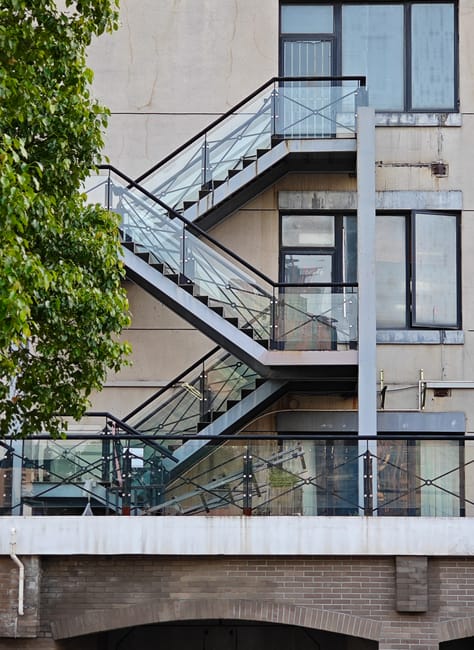
Staircase & Narrow Access Moves in Lambeth: Experts Help
If you are trying to move a sofa down a tight Victorian staircase, carry a wardrobe through a narrow hallway, or shift office furniture in a building with awkward corners, you already know the problem: the move itself may be fine, but the access is the real headache. That is exactly where Staircase & Narrow Access Moves in Lambeth: Experts Help becomes valuable. It is not just about muscle. It is about planning, measurement, patience, and the sort of local know-how that saves time, stress, and the occasional scraped wall.
In Lambeth, this comes up more often than people expect. Terraced houses, converted flats, basement entries, communal stairs, top-floor walk-ups, old bannisters, and tight stair turns can turn a simple relocation into a puzzle. The good news? With the right approach, narrow access moves can be handled safely and cleanly. This guide explains how it works, what to expect, where the risks are, and how to make better decisions before moving day arrives.
For a broader look at the business behind the service, you can also review the company's about us information and contact page if you need to ask about your specific property layout.
Table of Contents
- Why Staircase & Narrow Access Moves in Lambeth: Experts Help Matters
- How Staircase & Narrow Access Moves in Lambeth: Experts Help Works
- Key Benefits and Practical Advantages
- Who This Is For and When It Makes Sense
- Step-by-Step Guidance
- Expert Tips for Better Results
- Common Mistakes to Avoid
- Tools, Resources and Recommendations
- Law, Compliance, Standards, or Best Practice
- Options, Methods, or Comparison Table
- Case Study or Real-World Example
- Practical Checklist
- Conclusion
- Frequently Asked Questions
Why Staircase & Narrow Access Moves in Lambeth: Experts Help Matters
Narrow access moves sound straightforward until you are standing in a hallway that is six inches too tight, with a heavy item that will not pivot the way you hoped. Then it is clear why specialist help matters. In Lambeth, many homes and businesses sit in older buildings that were not designed for modern furniture, appliances, or bulky office items. Stairs can be steep. Landings can be short. Doors can open inward at the worst possible angle. Little things become big things.
The real issue is not only getting items from point A to point B. It is protecting the property, the people moving the item, and the item itself. One careless turn can damage plaster, banisters, floors, glass, or the goods being moved. And let's face it, no one wants to start a move with a chipped wall and a bad mood.
There is also a time factor. A difficult staircase move can swallow hours if people are guessing their way through it. An experienced team will usually spot the pinch points early and work out whether the item should be carried, dismantled, hoisted, or moved in a different sequence. That sort of judgement is worth a lot.
For many Lambeth residents, the question is not whether the move is possible. It is whether it can be done safely, without drama, and without becoming one of those stories you tell later with a tired smile. Experts help by turning uncertainty into a plan.
How Staircase & Narrow Access Moves in Lambeth: Experts Help Works
At a practical level, narrow access moving is a process of assessment, preparation, and controlled handling. The exact method depends on the property, the item, and the route. But the flow is often similar.
1. Access is measured and checked
Before any lifting begins, the mover needs to understand the route. That means checking stair width, ceiling height, turn radiuses, bannister clearance, doorway width, and any awkward bends. In some homes, a tape measure tells you everything. In others, you also need common sense and a little imagination.
Expert movers may ask for photos or a video walkthrough. That is not fussiness. It helps them decide whether an item can be manoeuvred upright, tilted, or partially dismantled. Sometimes the difference between success and frustration is just knowing which side of the sofa needs to lead.
2. The item is assessed
Not every object behaves the same way on stairs. A wardrobe can be tall and unforgiving. A fridge can be heavy but manageable. A marble table is awkward because of both weight and fragility. Specialists think about balance, grip points, shape, and whether the item has handles or removable parts.
This step also helps decide whether the move needs extra protection. Blankets, corner guards, straps, sliders, dollies, or specialist lifting aids may all come into play. The aim is not to use every tool in the van. It is to use the right one at the right moment.
3. The route is prepared
Preparation usually means clearing the hallway, protecting flooring, and removing obstacles. In Lambeth flats and converted houses, the route can be as important as the item itself. A clean, open path reduces slips and awkward pauses. If the move is going through a shared entrance or tight communal stairwell, preparation becomes even more important because there is less room to recover from a mistake.
4. The move is carried out carefully
Good movers use a deliberate pace. That might sound slow, but slow and controlled is often what works best on narrow stairs. There is usually a lot of communication: stop, turn, lift, edge, tilt, lower. One person leads, another stabilises, and someone watches the clearance. It can feel almost choreographed when done properly. Almost.
5. Final positioning and checks
Once the item reaches the right room, it is placed safely and checked for damage. If the item was dismantled, it may be reassembled or positioned for later assembly. The last ten minutes matter. That is when scratches show, fittings are tightened, and you confirm that the move has been completed as expected.
Key Benefits and Practical Advantages
There are a few obvious benefits to using experienced help for staircase and narrow access moves, but the less obvious ones are often the most valuable.
- Less risk of damage: Walls, banisters, tiles, doors, and floors are easier to protect when the route is handled carefully.
- Better item safety: Heavy or fragile items are less likely to be dropped, twisted, or strained during awkward turns.
- Faster decision-making: Experienced movers can spot whether an item needs dismantling or a different lifting method.
- Reduced stress: Moving is tiring enough without watching a sofa get stuck halfway up the stairs.
- More efficient use of space: Skilled handling often means fewer failed attempts and less backtracking.
- Cleaner finish: Proper protection and planning help leave the property looking as it did before, which matters in rented homes and shared buildings.
There is also a quiet financial benefit. People sometimes focus only on the moving fee, but a damaged wall, broken item, or delayed move can cost more than a careful, specialist approach. That is not scare talk. It is just the reality of tight access jobs.
Practical summary: If the route looks awkward to you before the move, it will probably feel awkward on the day. Good planning is what turns a difficult staircase into a manageable one.
Who This Is For and When It Makes Sense
This kind of service is a good fit for anyone dealing with restricted access, but some situations come up again and again in Lambeth.
Typical situations
- Top-floor flats with steep internal staircases
- Converted Victorian or Edwardian properties with tight turns
- Basement homes with narrow front or rear access
- Shared hallways where large items have little turning space
- Small offices moving desks, cabinets, or archive units
- Students or renters moving in and out of compact buildings
- People buying second-hand furniture that is larger than expected. Happens all the time.
It also makes sense if you are moving something valuable, awkward, or sentimental. A family cabinet, a large mirror, a piano, or a fragile display unit may need a more cautious hand than standard lifting can provide. You do not want guesswork with an item that cannot simply be replaced.
If you are uncertain whether the move qualifies as narrow access, a good rule is this: if you are already mentally measuring corners while standing in the doorway, it probably does.
Step-by-Step Guidance
A better move starts well before moving day. Here is a practical step-by-step approach that works for many Lambeth properties.
- Measure the key points. Check the item's height, width, and depth, then compare that with doorways, stair turns, and landings.
- Photograph the route. Take clear pictures of the staircase, hallways, and the item. A quick phone video can help too.
- Identify any obstacles. Note railings, low ceilings, tight radiators, boxed-in pipework, or uneven steps.
- Ask whether dismantling is possible. Some items move far more safely once legs, doors, or shelves are removed.
- Plan protection. Use floor coverings, blankets, and edge protection where needed.
- Decide on the lifting method. Straight carry, two-person turn, side-angle move, stair slide, or partial carry-each has a use case.
- Clear the route in advance. Remove clutter, coats, shoes, bins, and anything else that creates a trip hazard.
- Confirm parking and timing. In Lambeth, access outside the property can matter just as much as the staircase inside it.
- Do a final walk-through. Before lifting, check the route once more. Things look different on the day. They just do.
If the item seems like it will be close, build in extra margin. A few extra minutes of prep can save a huge amount of bother later. Truth be told, many move-day problems are just preparation problems in disguise.
Expert Tips for Better Results
Small adjustments can make a big difference on narrow access jobs. These are the sorts of details experienced teams tend to think about automatically.
Keep the route as simple as possible
Every extra obstacle increases risk. If you can remove a door from its hinges, move a side table, or clear a coat rack, do it. Simple route, simpler move.
Use the right number of people
Too few people and the item becomes unstable. Too many people and everyone is talking at once. The sweet spot is usually a team that can lift safely without crowding the staircase. Communication matters more than brute force.
Protect the property before the item moves
It sounds obvious, but this step gets skipped when people are in a hurry. Cover floors, pad corners, and shield vulnerable surfaces first. You will notice the difference immediately when the item starts to swing close to a wall.
Think about the item's shape, not just its weight
A lighter item with an awkward shape can be harder to move than a heavier one with a clean profile. Wide arms, sharp edges, glass panels, and protruding handles all make narrow access more difficult.
Allow for weather and street conditions
If items need to be carried in from outside, wet pavements, muddy thresholds, or a sudden rain shower can change the whole rhythm of the job. London weather likes a bit of theatre. Plan for it.
Leave enough time
Rushed moves are where mistakes happen. If your access is tight, do not book a schedule that leaves no breathing room. A calm job is usually a safer job.
Common Mistakes to Avoid
Most staircase access issues are avoidable. A few common mistakes crop up again and again.
- Not measuring properly: Guessing is risky. Guessing with furniture is riskier.
- Forgetting the turn points: The item may fit the stair width but still fail at the landing.
- Ignoring ceiling height: Tall objects can foul on overhead space even when the stair is wide enough.
- Not checking door swing: A badly placed door can block the whole route.
- Trying to force oversized items: If it does not fit, forcing it rarely ends well.
- Skipping protection: One careless scrape can turn a clean move into an expensive repair.
- Underestimating weight distribution: The balance point of an item may be awkward even if the weight looks manageable.
Another common mistake is assuming that "someone strong" is enough. Strength helps, of course, but narrow access work is more about technique and judgement. Strong backs are good. Strong planning is better.
Tools, Resources and Recommendations
The exact toolkit depends on the job, but a few items are often useful in staircase and narrow access moves.
- Protective blankets: Useful for shielding walls, bannisters, and delicate item surfaces.
- Floor runners or coverings: Help protect carpets, wood, and tiles from dirt and scuffs.
- Furniture straps: Improve control and stability when carrying awkward items.
- Hand truck or dolly: Useful where the route and weight allow it, though stairs still need care.
- Corner guards: Good for tight hallways where turning risk is high.
- Basic toolkit: Needed if doors, legs, or fittings need to be removed before moving.
- Measuring tape and phone camera: Simple, but surprisingly important for pre-move planning.
As a recommendation, keep a simple access pack ready if you move often or manage property. Tape measure, labels, blankets, and a few basic tools are enough to save time in plenty of situations. No need to overcomplicate it.
If you are comparing service providers, it can also help to learn more about the team's approach on the main website before making a decision. That gives you a sense of their process, not just the headline service.
Law, Compliance, Standards, or Best Practice
For staircase and narrow access moves, the most relevant point is usually best practice rather than complicated legal language. That said, there are sensible standards and duties to keep in mind.
Movers and property occupiers should take reasonable steps to reduce the risk of injury and damage. In practical terms, that means keeping access routes clear, using suitable lifting methods, and avoiding unsafe handling. Shared buildings may also have lease or building rules about protecting communal areas, using lifts, or booking access times. Always check what applies to your property before moving day.
If the move involves business premises, extra care is often needed around public access, staff safety, and protecting shared areas. A calm, controlled approach is usually the expectation. Nothing fancy. Just good, sensible handling.
Best practice also means being honest about limits. If something is too large, too fragile, or too awkward for the route, it is better to stop and adapt than to keep pushing. That is not hesitation. That is professionalism.
For privacy, booking, and service terms, it is worth reviewing the relevant pages such as the privacy policy and terms and conditions before sharing access details or arranging a move.
Options, Methods, or Comparison Table
Not every narrow access move is handled the same way. The best method depends on the item, the staircase, and the urgency of the move. Here is a useful comparison.
| Method | Best For | Advantages | Limitations |
|---|---|---|---|
| Standard two-person carry | Moderately sized items with manageable turns | Simple, efficient, familiar | Can struggle with very tight or steep stairs |
| Dismantling before move | Large furniture, beds, wardrobes, office units | Improves fit and reduces collision risk | Requires tools, time, and reassembly planning |
| Protected stair carry | Items that must pass through a narrow route intact | Good protection for item and property | Needs patience and good coordination |
| Specialist handling for fragile items | Glass, antiques, high-value or delicate pieces | Reduces handling stress and breakage risk | May take longer and cost more |
| Alternative access route | When the main staircase is too tight | Can solve otherwise impossible moves | Not always available in every property |
The right answer is usually not the fanciest one. It is the one that fits the building without making a mess of the item or the schedule.
Case Study or Real-World Example
Here is a realistic example based on the kind of move that comes up often in Lambeth.
A tenant in a top-floor flat needed to move a wide chest of drawers into a building with a narrow stairwell and a sharp landing turn. At first glance, the item looked possible. Once the route was checked properly, though, it became obvious that it would catch on the turn unless the drawers were removed and the item was tilted in a specific way. There was also a radiator at the bottom of the stair, which narrowed the entry point more than expected.
The solution was straightforward, but only because the team slowed down early. The drawers were removed, the route was padded, and the item was carried with one person guiding from below and one above. No scratching, no panic, no awkward "hold on, let's try that again" moment halfway up the stairs. The whole job felt almost boring by the end, which is usually a good sign.
That is the point of expert help. The best moves often look uneventful from the outside because the hard thinking happened beforehand.
Practical Checklist
Use this checklist before your narrow access move.
- Measure all furniture or equipment carefully
- Check stair width, turn points, and ceiling height
- Photograph the route from entry to final placement
- Confirm whether any item can be dismantled
- Clear hallways, landings, and doorways
- Protect floors, corners, and bannisters
- Check parking and arrival access outside the property
- Allow extra time for careful handling
- Review building rules for shared access areas
- Keep tools, tape, and protective materials ready
- Have a backup plan if the main route proves too tight
If you can tick most of those off in advance, you are already ahead of the game.
Conclusion
Staircase and narrow access moves are one of those jobs that look simple from a distance and then quickly reveal their personality up close. In Lambeth, with its mix of older housing, compact stairwells, and shared entrances, they are common enough to deserve proper planning. The real difference comes from careful measurement, sensible preparation, and experienced handling that respects both the property and the item being moved.
Whether you are moving one bulky piece of furniture or planning a full property relocation, the smartest step is to assess the route before you start. That alone can prevent damage, save time, and reduce a lot of unnecessary stress. And if you have ever stood at the bottom of a staircase wondering how on earth a wardrobe is supposed to get past that corner, well, you are not the first. Far from it.
Get a free quote today and see how much you can save.
If you want to talk through a tricky move or ask about access details, the easiest next step is to use the contact page. A quick conversation can spare you a long, awkward day later.
Frequently Asked Questions
What is a narrow access move?
A narrow access move is any move where the route is tight, awkward, or restricted, such as steep stairs, small landings, narrow hallways, or compact doorways. The challenge is getting the item through safely without damage.
Why are staircase moves harder in Lambeth?
Lambeth has many older and converted properties with steep staircases, small turns, and shared entrances. These features can make large or awkward items difficult to manoeuvre compared with more modern buildings.
Do I need specialist help for one large item?
Often, yes. Even a single wardrobe, sofa, or appliance can be difficult if the route is tight. Specialist help can reduce the risk of damage and make the move much smoother.
Should I measure the item or the staircase first?
Measure both. The item dimensions matter, but so do doorway width, stair turns, landings, and ceiling height. It is the combination that tells you whether the move is realistic.
Can furniture be dismantled before a staircase move?
In many cases, yes. Removing legs, shelves, doors, or other fittings can make a big difference. Whether this is practical depends on the item's design and condition.
What if the item barely fits?
If it is a close fit, the move should be planned very carefully. Close fits can work, but they leave little room for error. Extra protection and a slower pace are usually wise.
How do movers protect walls and bannisters?
They may use blankets, padding, edge protection, and floor coverings. The exact setup depends on the property and the route, but the goal is always the same: reduce contact and friction.
Are narrow access moves more expensive?
They can be, because they often require more time, more planning, or specialist handling. The final cost usually depends on the complexity of the access and the item being moved.
How far in advance should I book?
As early as you can, especially if the move is time-sensitive or involves awkward access. Early booking leaves more room for route checks, dismantling, and planning.
What should I do before the movers arrive?
Clear hallways, measure the item, take route photos, protect fragile surfaces if possible, and confirm parking or entrance access. A few simple preparations can save a lot of time later.
What happens if the item will not fit after all?
If the main route does not work, a good team will pause and look for alternatives, such as dismantling, a different angle, or another access route if one exists. It is better to adapt than to force it.
Is it worth checking the company's background before booking?
Yes. It helps to understand who you are dealing with, how they work, and what their service terms are. You can start with the about us page and then review the terms and conditions if needed.